Bipolar disorder, also known as manic-depressive illness, is a mental health condition characterized by extreme mood swings that include episodes of mania and depression. Here are some key points to consider when discussing bipolar disorder:
- Types of Bipolar Disorder: There are different types of bipolar disorder, including bipolar I, bipolar II, cyclothymic disorder, and other specified and unspecified bipolar and related disorders. Bipolar I disorder involves periods of mania that last at least seven days and may also include depressive episodes. Bipolar II disorder involves periods of hypomania (less severe than mania) and depressive episodes. Cyclothymic disorder is characterized by numerous periods of hypomanic and depressive symptoms that last for at least two years.
- Manic Episodes: Manic episodes are characterized by an elevated mood, increased energy, racing thoughts, decreased need for sleep, grandiose ideas or inflated self-esteem, excessive talking, impulsive behavior, and a heightened sense of confidence. During a manic episode, individuals may engage in risky or impulsive activities, have difficulty concentrating, and may have an exaggerated sense of their abilities or importance.
- Depressive Episodes: Depressive episodes involve a persistent feeling of sadness, hopelessness, loss of interest or pleasure in activities, changes in appetite and sleep patterns, difficulty concentrating, feelings of guilt or worthlessness, and thoughts of death or suicide. Depressive episodes in bipolar disorder are similar to those experienced in major depressive disorder.
- Cycling between Episodes: Individuals with bipolar disorder experience alternating episodes of mania and depression. The frequency and duration of these episodes vary from person to person. Some individuals may experience rapid cycling, where they have four or more episodes in a year, while others may have longer periods of stability between episodes.
-
Causes: The exact cause of bipolar disorder is not known, but it is believed to be a combination of genetic, biological, and environmental factors. Family history of bipolar disorder or other mood disorders increases the risk of developing the condition. Imbalances in certain neurotransmitters, such as serotonin and dopamine, may also play a role.
- Diagnosis and Treatment: Diagnosis of bipolar disorder is typically made by a mental health professional through a comprehensive evaluation of symptoms and medical history. Treatment often involves a combination of medication, such as mood stabilizers or antipsychotics, and psychotherapy. Psychotherapy, such as cognitive-behavioral therapy (CBT) or interpersonal therapy, can help individuals manage mood swings, develop coping strategies, and improve overall functioning.
- Lifestyle Management: In addition to medical treatment, lifestyle management plays a crucial role in managing bipolar disorder. This includes maintaining a regular sleep schedule, avoiding alcohol and substance abuse, managing stress, engaging in regular exercise, and seeking support from loved ones or support groups.
- Support and Education: It is important for individuals with bipolar disorder to have a strong support system and access to educational resources. Support groups, therapy sessions, and educational materials can provide valuable information, coping strategies, and a sense of community.
If you or someone you know is experiencing symptoms of bipolar disorder, it is essential to seek help from a healthcare professional. They can provide an accurate diagnosis, develop an appropriate treatment plan, and support individuals in managing their condition effectively. Remember, with proper treatment and support, individuals with bipolar disorder can lead fulfilling and productive lives.
Cover all your grab and go needs with these long handle tote bags while being eco-conscious. These tote bags feature reinforced stitching on handles for more stability. Your unique designs will stand out on these 100% cotton fabric tote bags. Any whites in your design will be treated as transparent in the printing process for the natural color tote bags. Please keep this in mind to ensure optimal results
- Reinforced stitching on handles
- Large printable area for front & back
- Capacity 10 litres
- 100% cotton
- 3 - 5 oz/yard², 100 - 170 g/m²
This product is made on demand. No minimums.


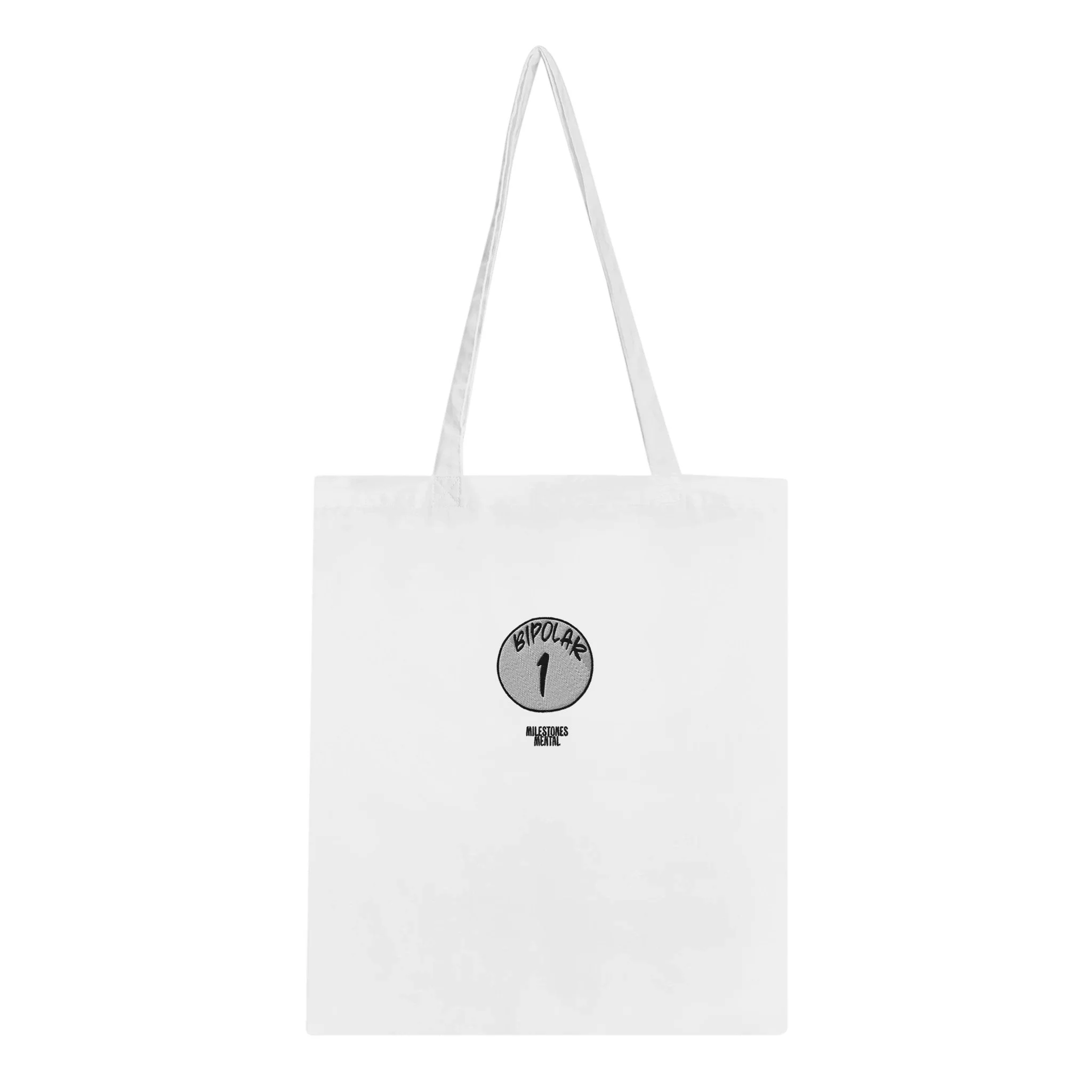 Image 1 of 13
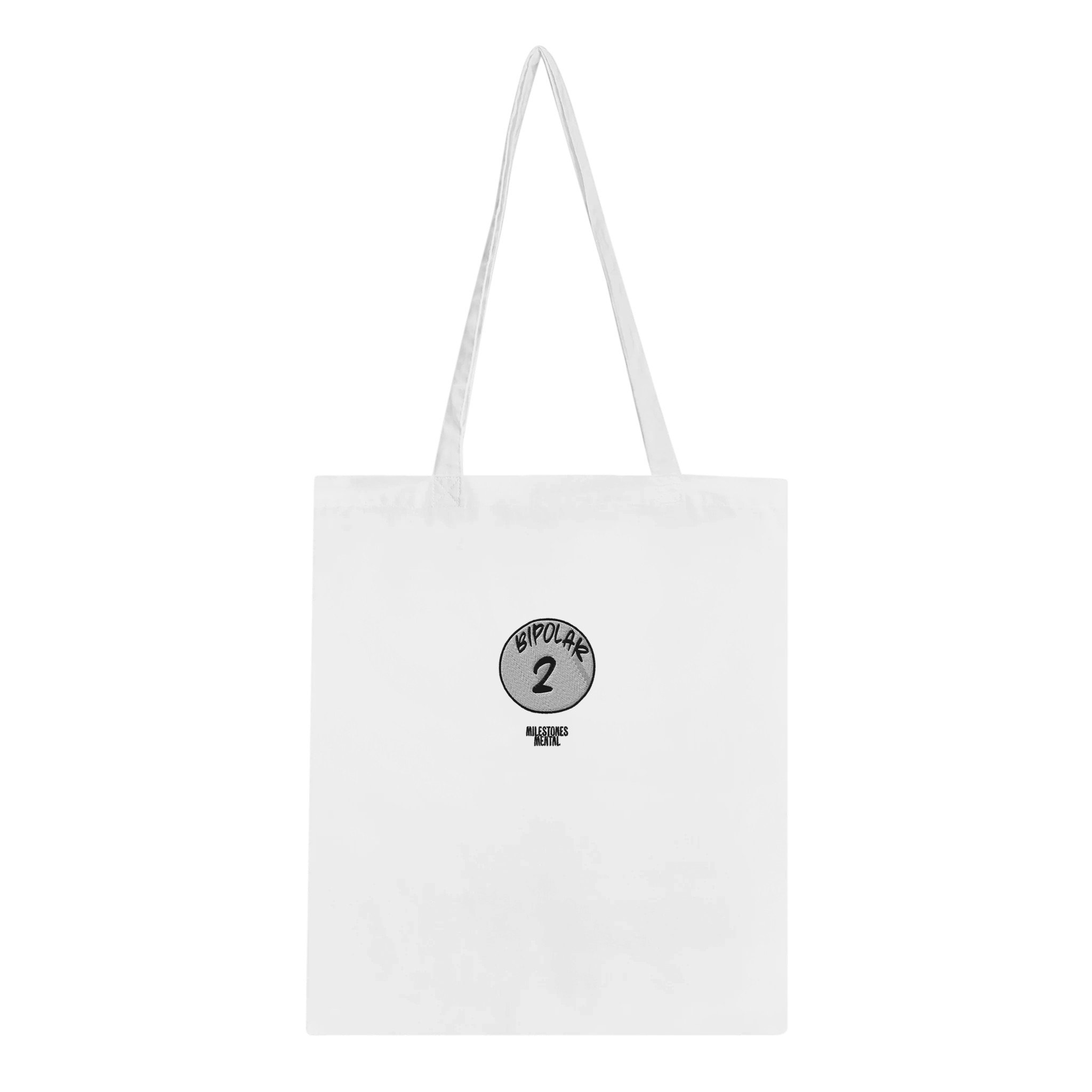 Image 2 of 13
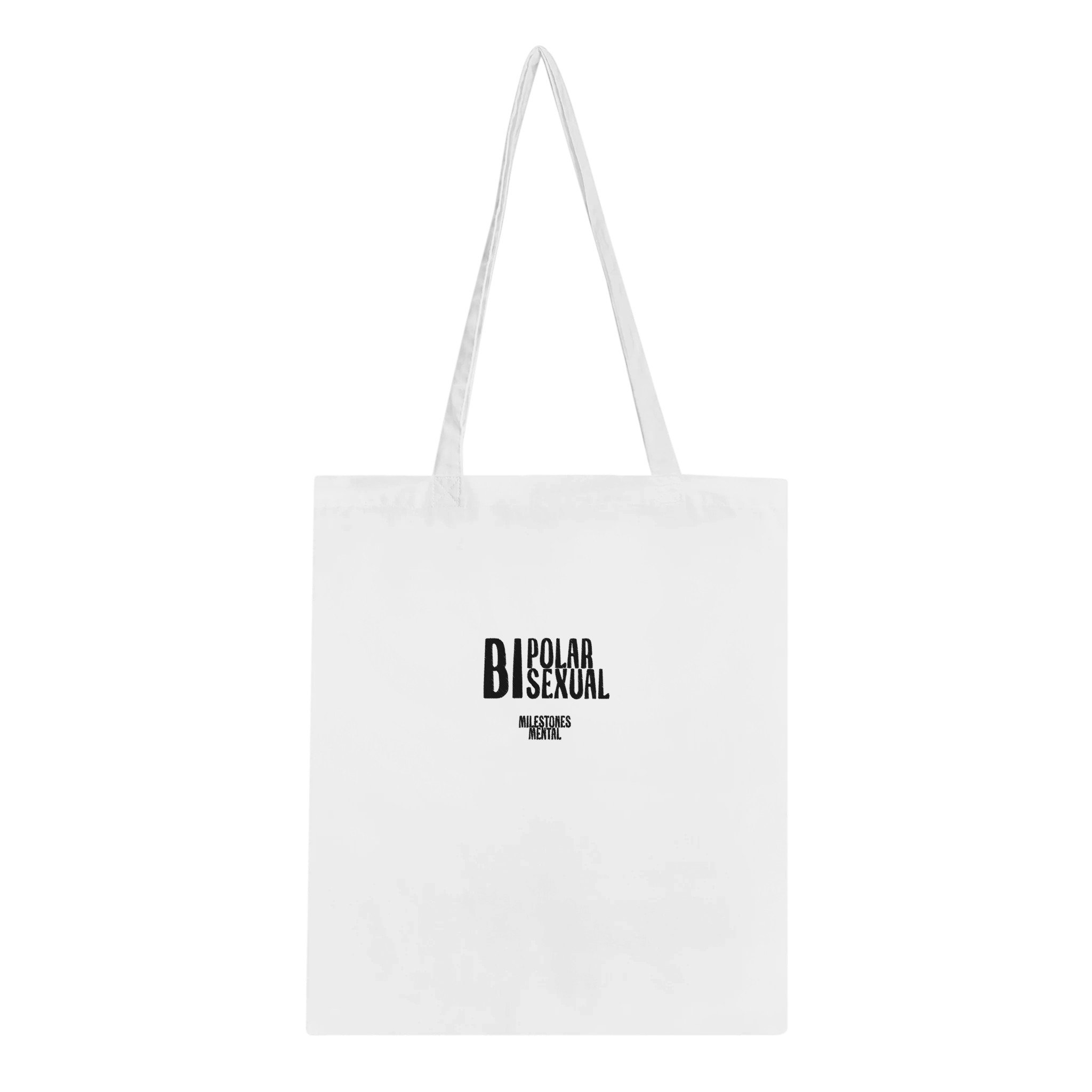 Image 3 of 13
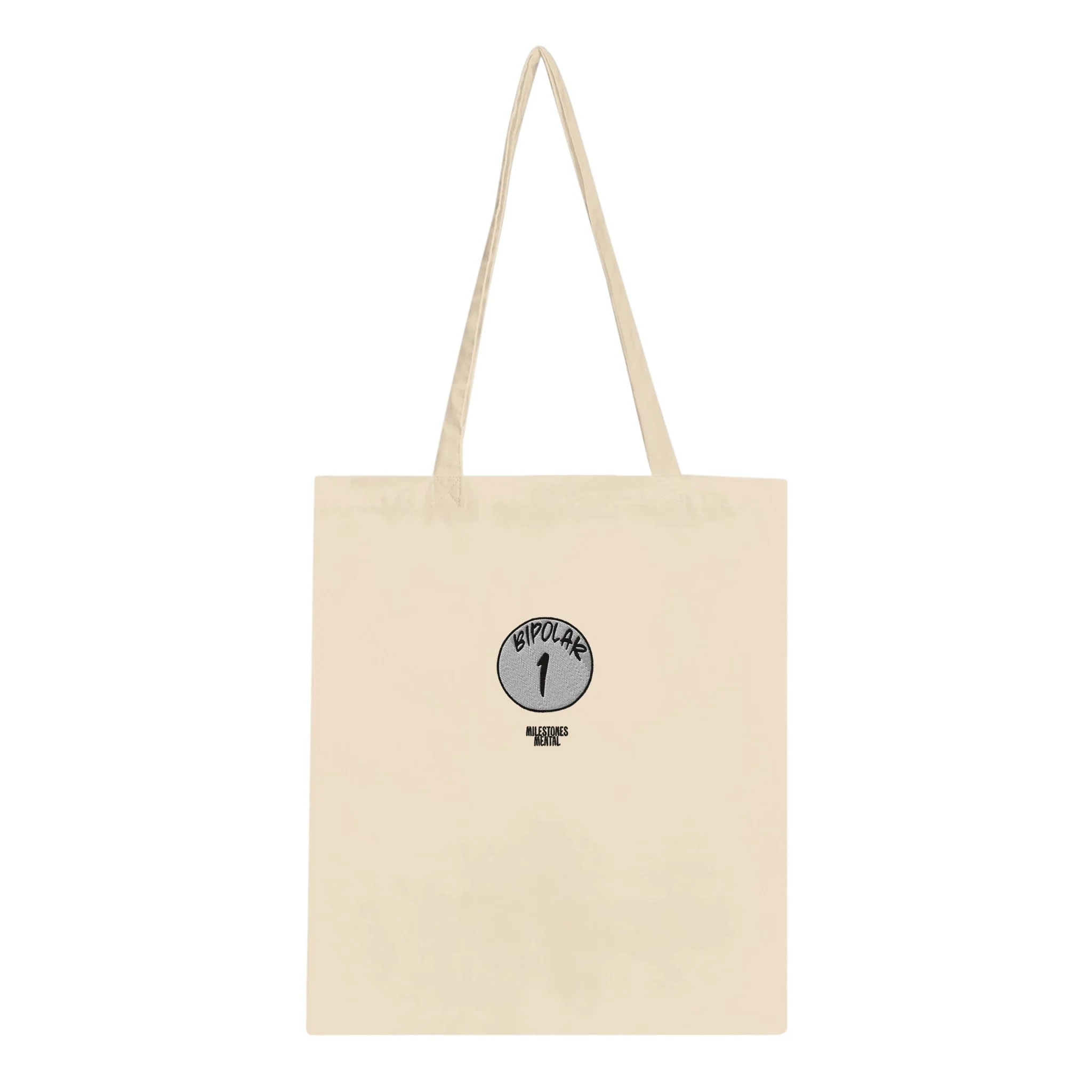 Image 4 of 13
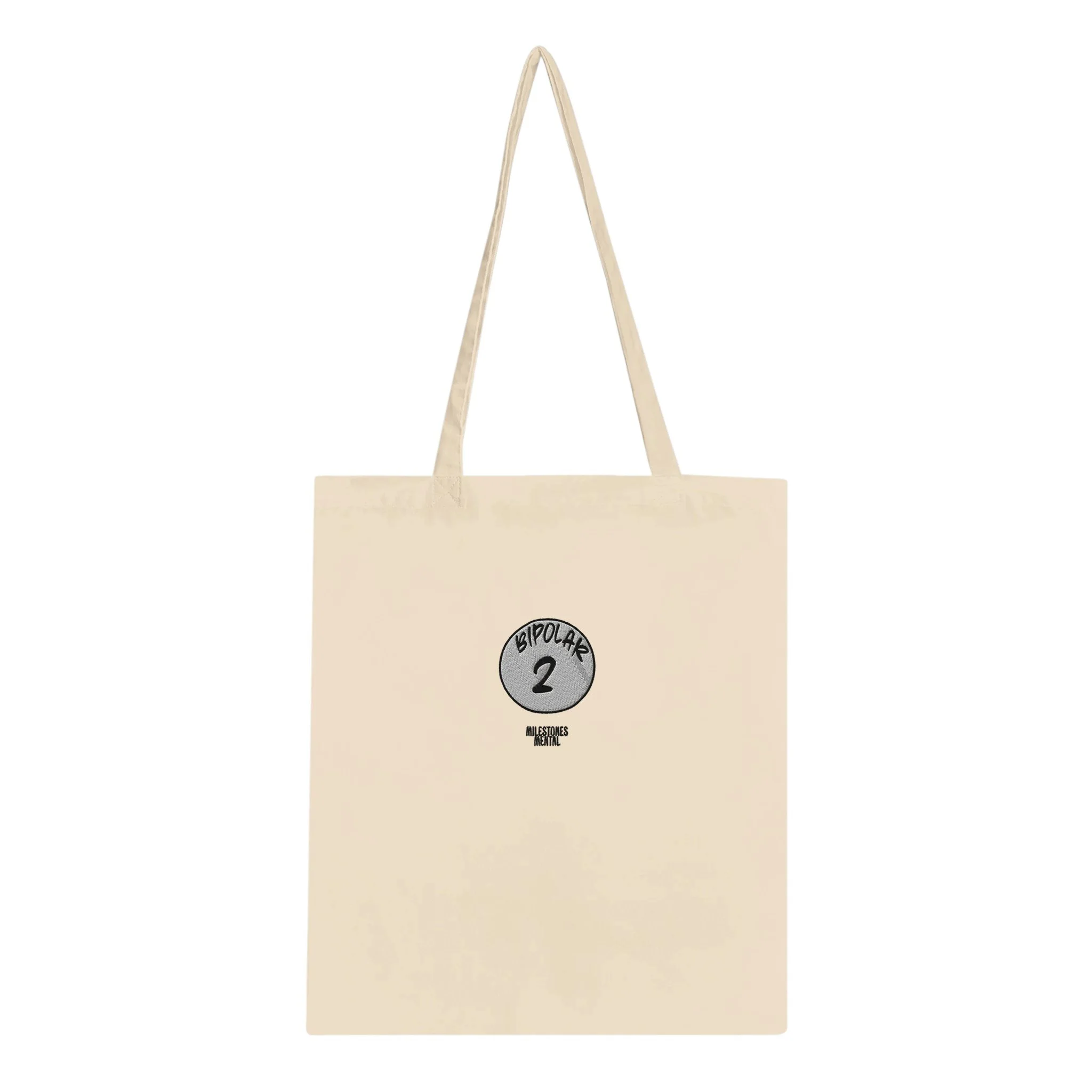 Image 5 of 13
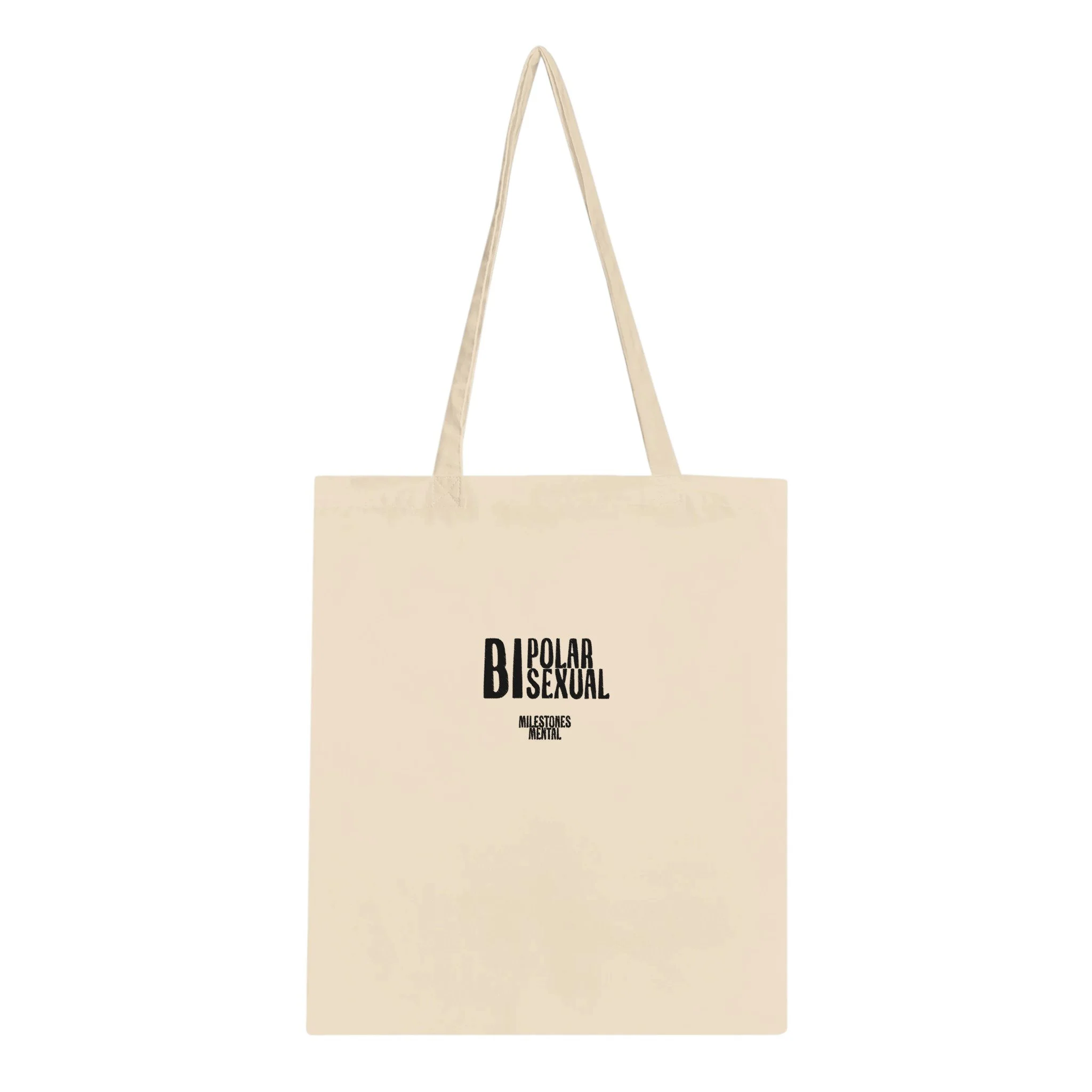 Image 6 of 13
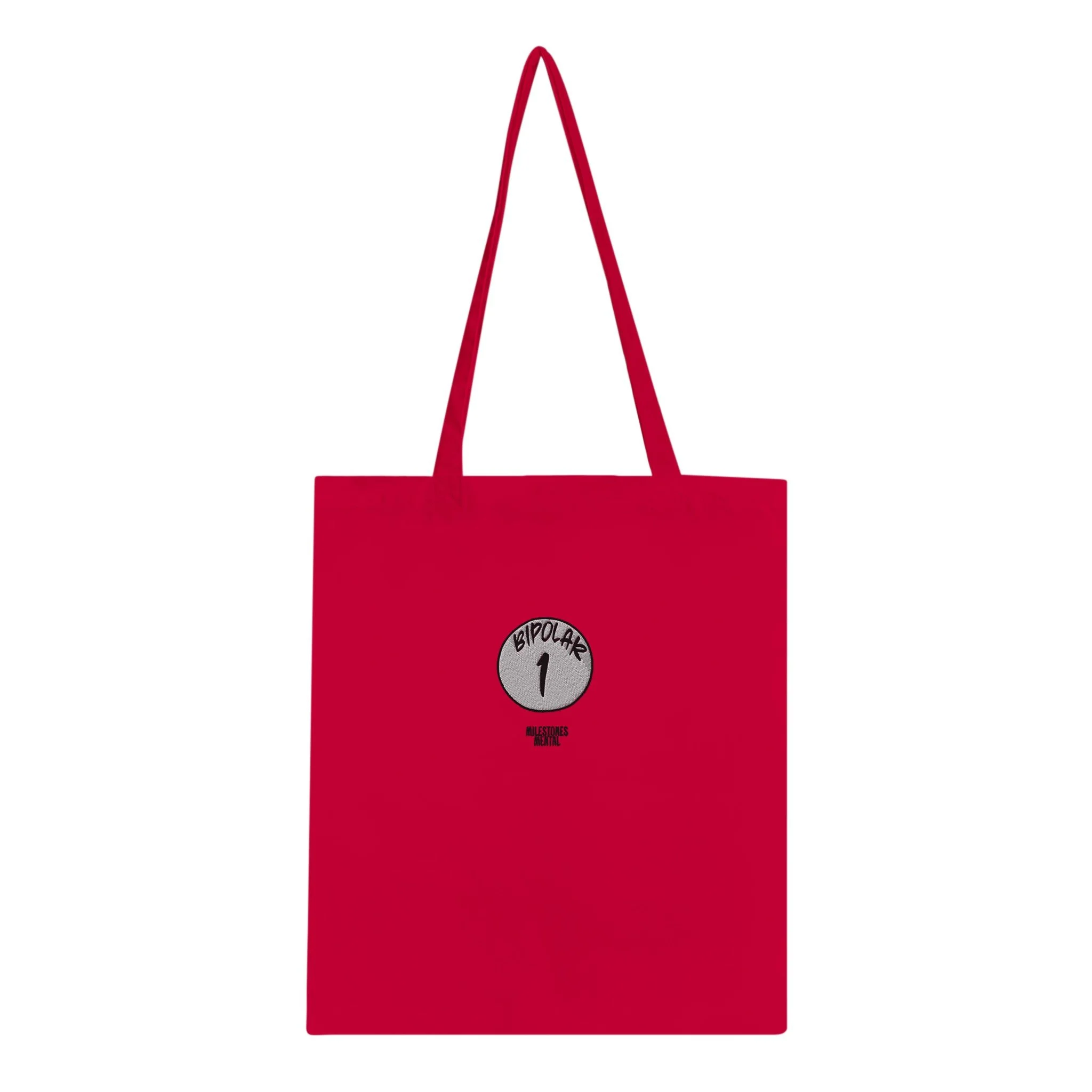 Image 7 of 13
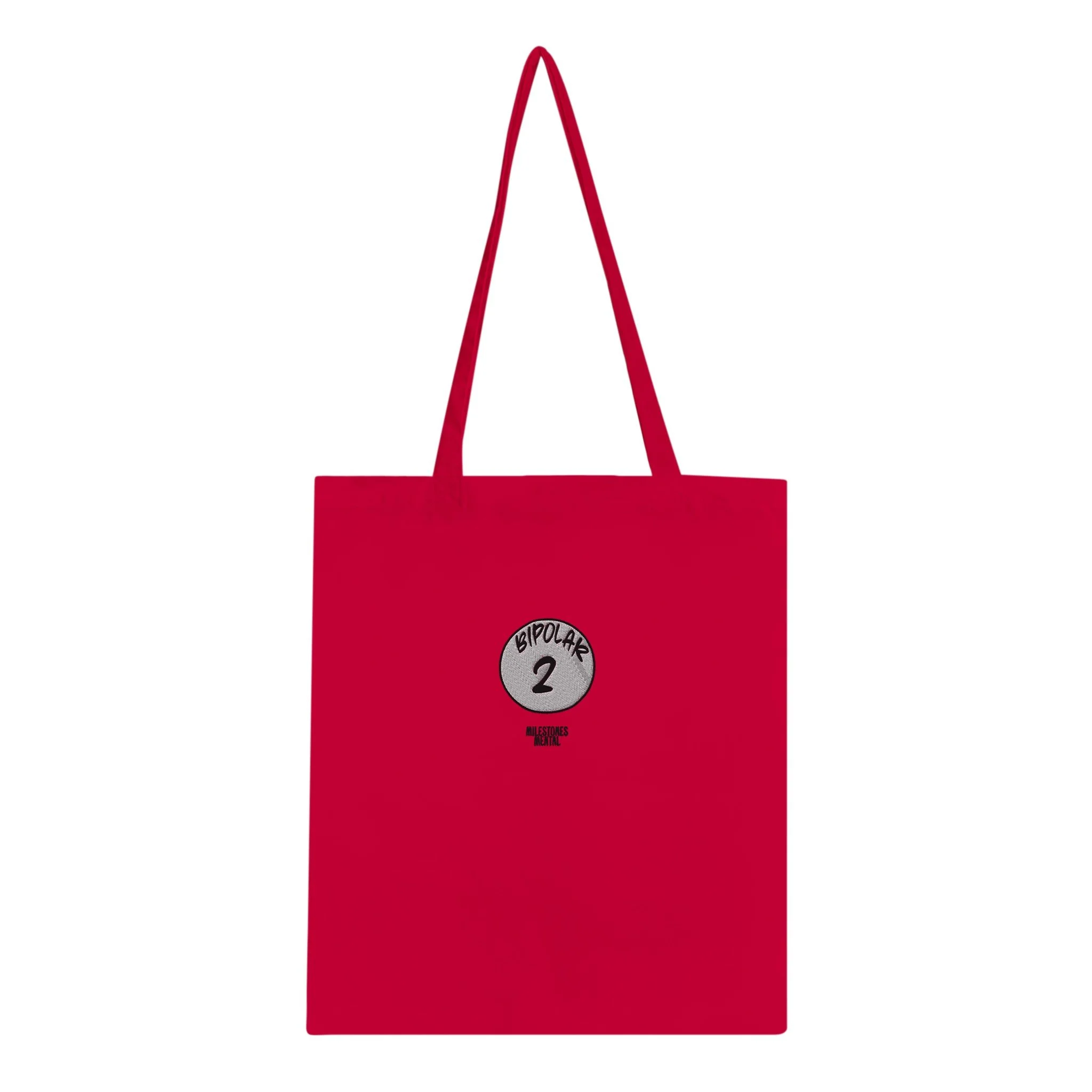 Image 8 of 13
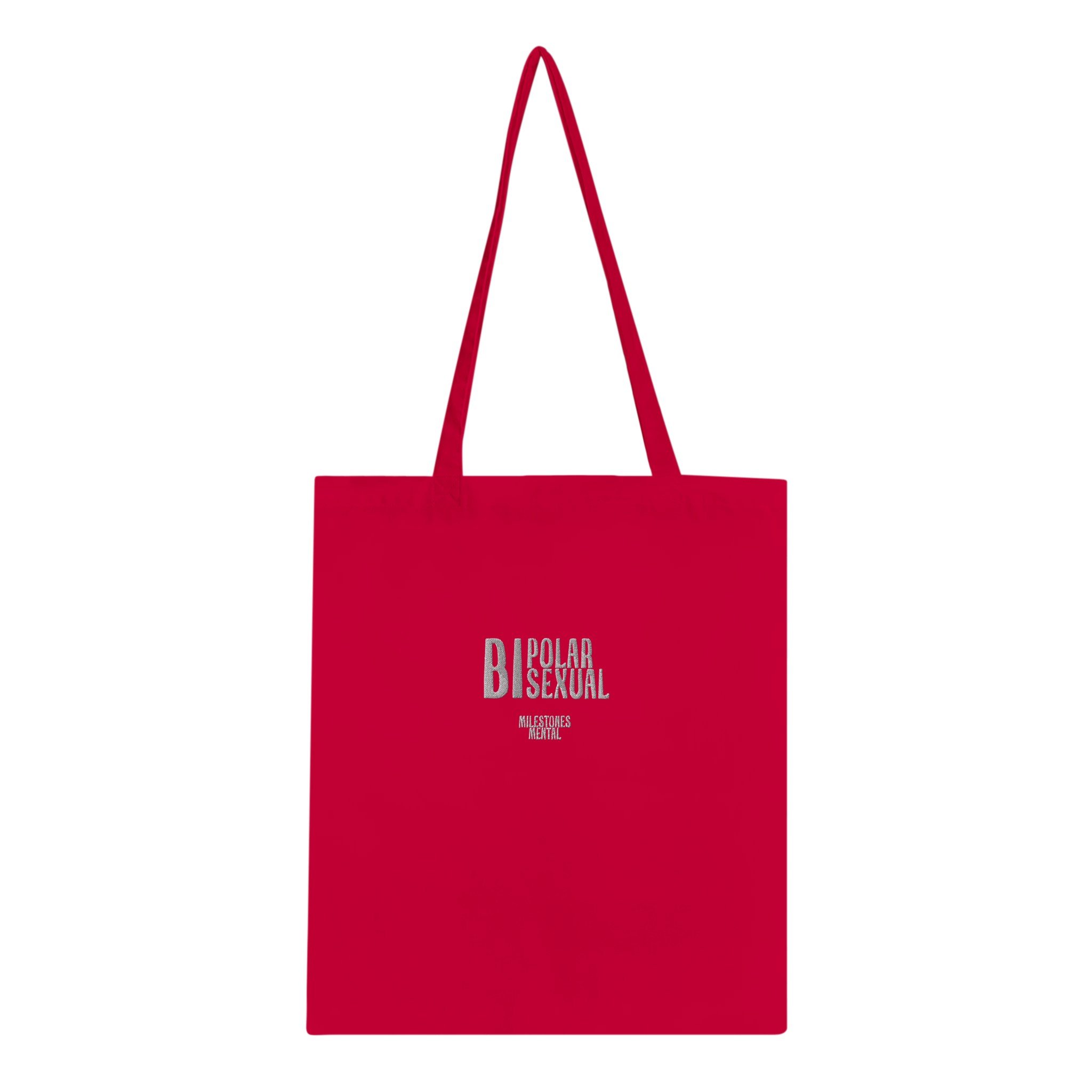 Image 9 of 13
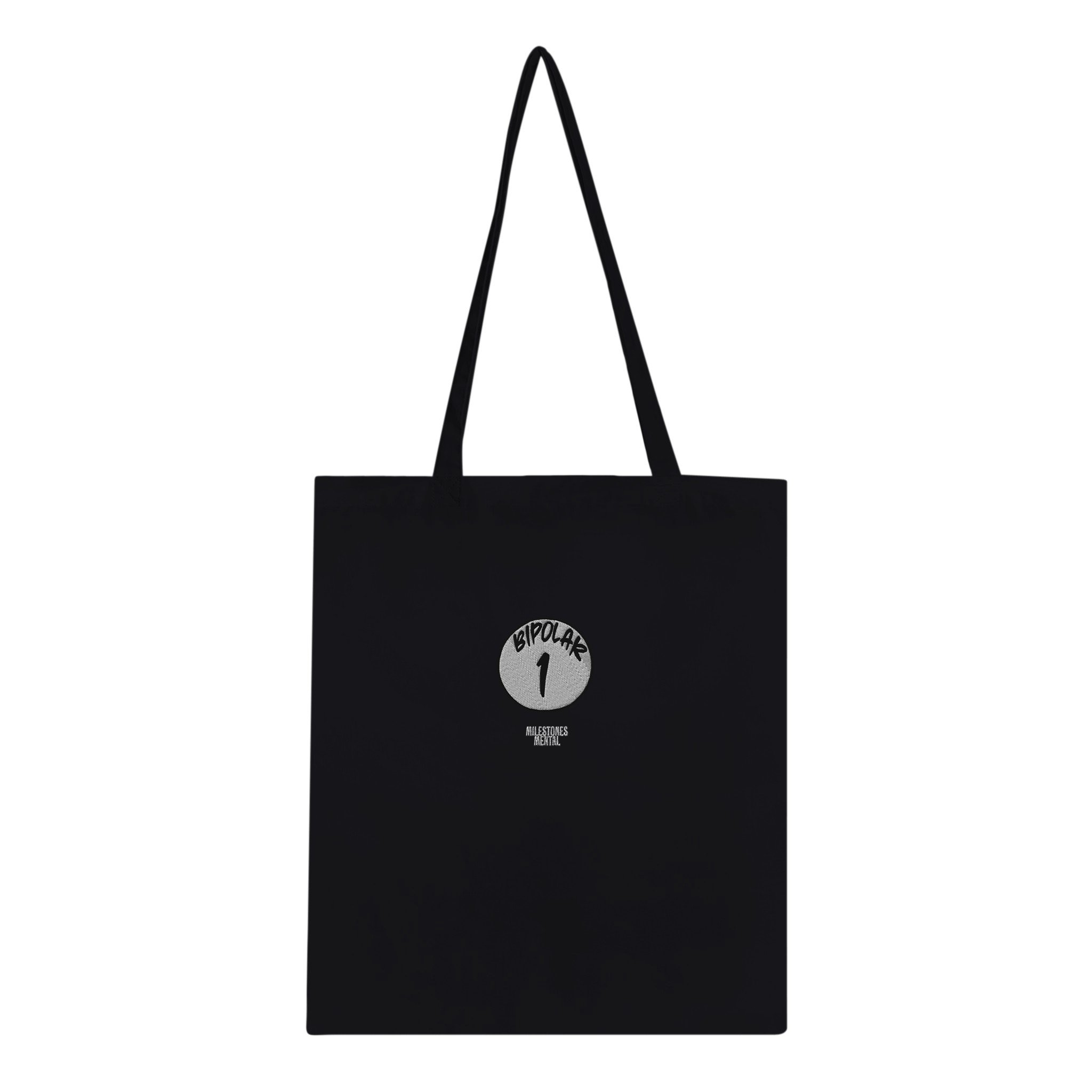 Image 10 of 13
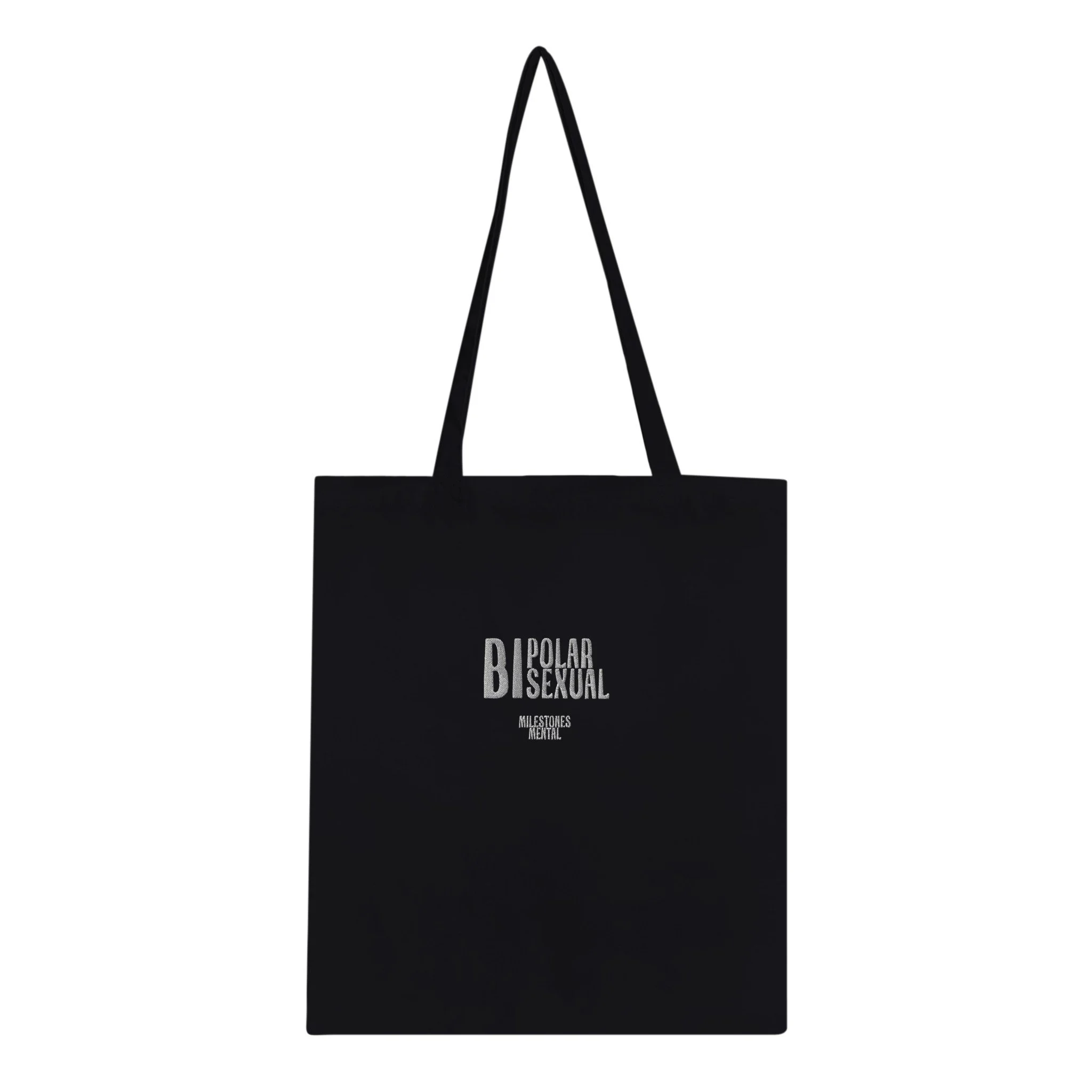 Image 11 of 13
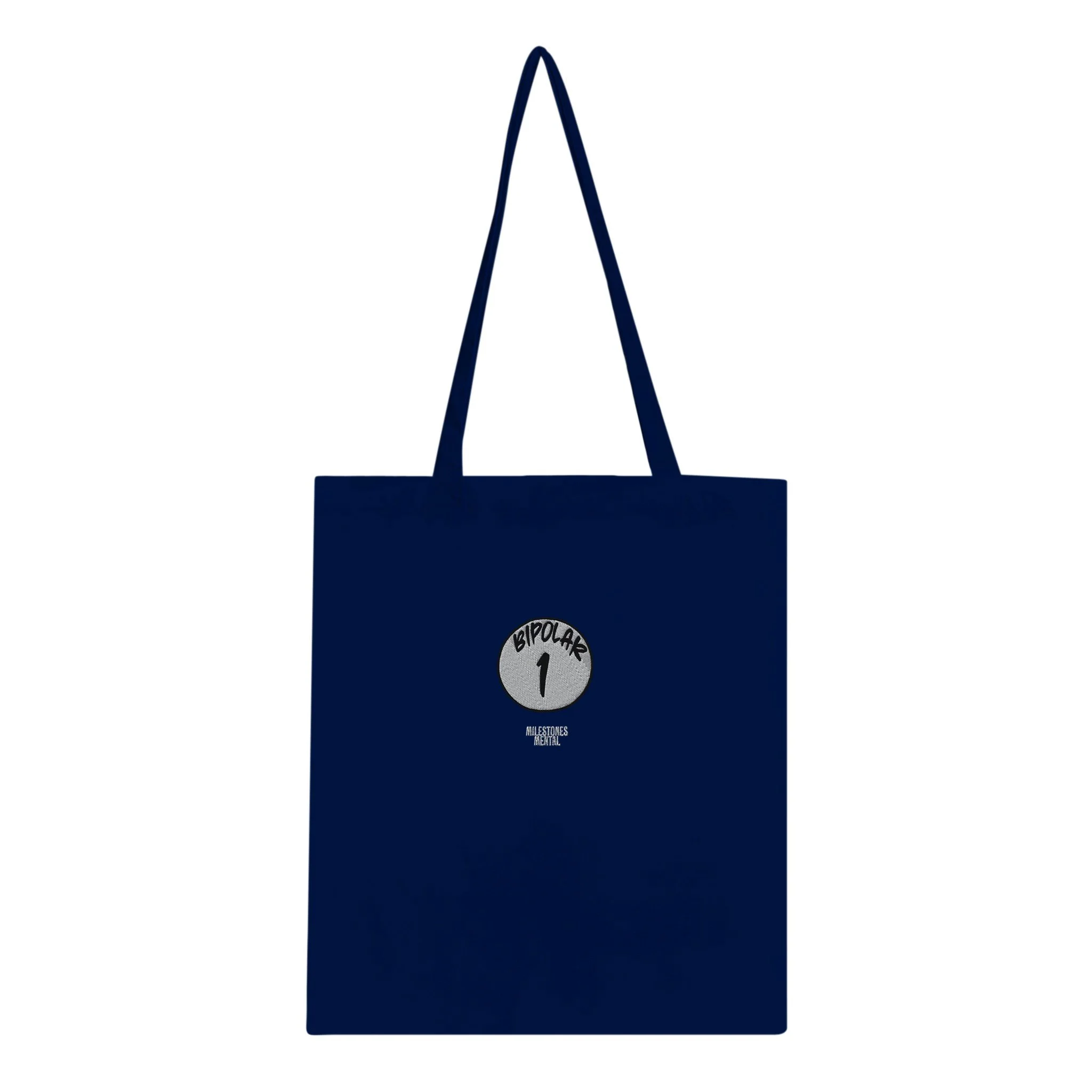 Image 12 of 13
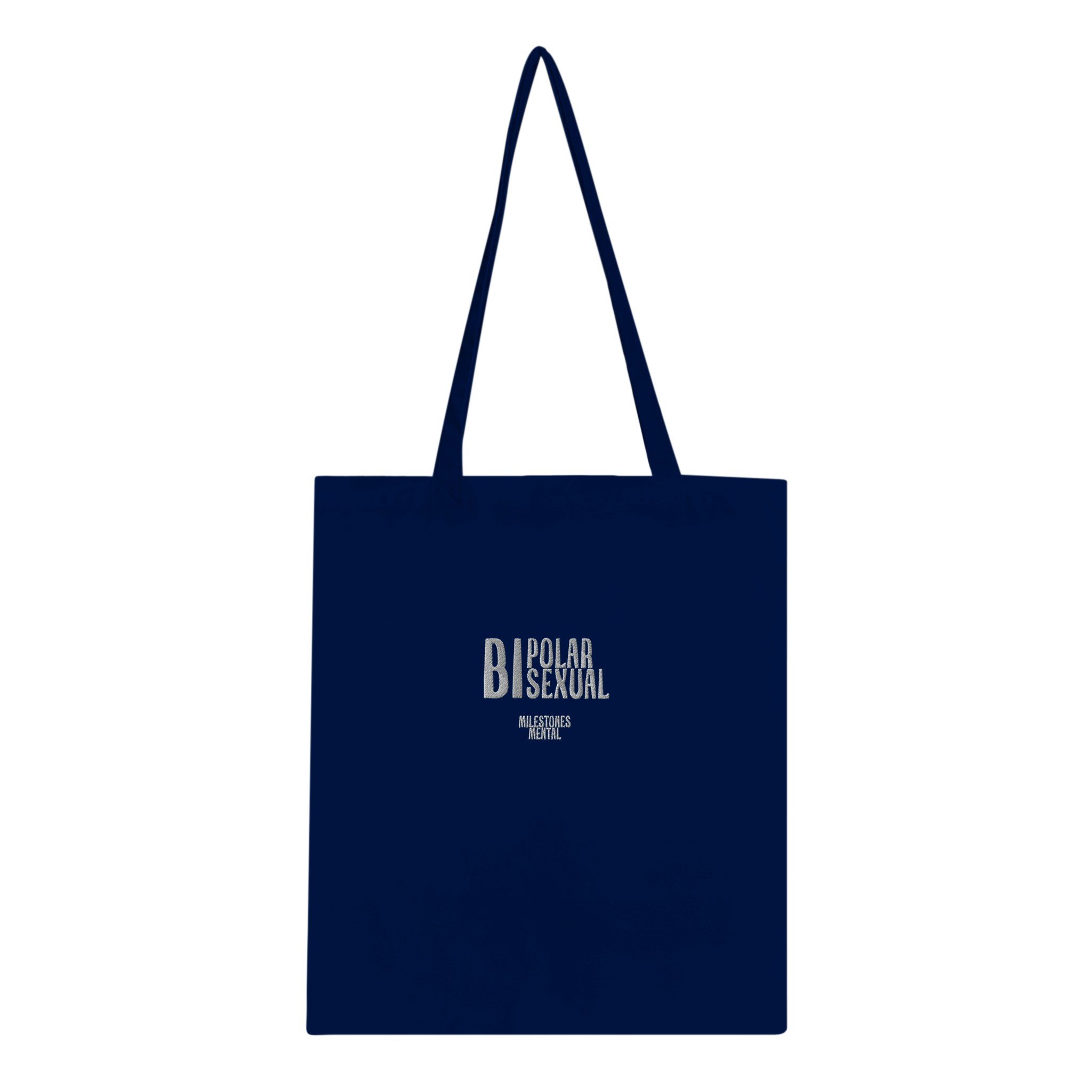 Image 13 of 13